The Chic One: A Practical Review for Real Embroidery Projects
When I first opened The Chic One, I was immediately struck by its understated confidence. This is not a design that shouts for attention. It invites it. The overall shape feels balanced without being stiff, and the layout has a natural flow that makes it easy to imagine on everything from a simple tote bag to a personalized baby gift. As someone who has tested hundreds of embroidery files for real commercial use, I can tell you that first impressions matter a lot. This one felt like it would stitch out cleanly and hold its own on a variety of fabrics.
The mood of The Chic One is polished but approachable. It has a contemporary edge that would appeal to boutique buyers and Etsy customers looking for something elegant yet wearable. The detail level is noticeable without being overly dense, which is a good sign for anyone planning to use it on custom apparel or handmade products. It does not feel like a generic clip-art converted into stitches. It feels like it was designed with embroidery in mind.
First Impressions and Visual Personality
The visual personality of The Chic One leans toward what I would call refined simplicity. The curves are smooth, the spacing feels intentional, and there is a sense of lightness that makes it suitable for both monogram-style projects and standalone decorative embroidery. The design does not rely on excessive fill stitching to create impact. Instead, it uses clean lines and thoughtful negative space to let the shape speak for itself.
From a designer perspective, this is the kind of file that works well for machine embroidery design projects where you want the stitching to feel like part of the fabric, not a heavy patch stuck on top. The silhouette would look especially good on a sweatshirt or a linen tote bag, where the texture of the thread can stand out against a soft background. I also think it would translate beautifully into an embroidered patch for denim jackets or canvas bags.
Real Case Scenario: Stitching The Chic One on a Tote Bag
Let me walk through a real project I prepared using The Chic One. I decided to stitch it onto a medium-weight cotton tote bag for a small shop sample. I used a mid-weight cutaway stabilizer and a standard 40-weight polyester thread in a soft ivory tone against a charcoal fabric. The contrast was subtle but effective. The design stitched out without any skipped stitches or distortion, and the satin stitch elements had a nice, even sheen.
The fill stitch areas were well balanced. They did not pull the fabric or create puckering around the edges. I appreciated that the design did not require any last-minute resizing or manual editing. It fit neatly within a typical 4x4 hoop size, which is a practical advantage for anyone offering personalized embroidery at craft fairs or through an Etsy shop. If you are a small business owner or Etsy seller looking for a design that works across multiple product categories, this one deserves a close look.
Where The Chic One Shines
After testing The Chic One on several fabric types, I can confidently recommend it for a wide range of applications. Here are the areas where it performs particularly well:
- Custom apparel: T-shirts, sweatshirts, and blouses benefit from the clean silhouette. The design does not overpower the garment.
- Tote bags and canvas goods: The sturdy stitch structure holds up well on medium to heavy fabrics. It looks professional and durable.
- Baby embroidery: The soft, elegant shape works beautifully on onesies, bibs, and receiving blankets. It is not too busy for small garments.
- Holiday and gift items: The Chic One feels appropriate for personalized Christmas stockings, wedding gifts, or anniversary keepsakes. It adds a custom touch without being overly seasonal.
- Boutique and small shop merchandise: If you sell handmade products, this design can become part of your signature look. It has a consistent, recognizable style.
- Commercial embroidery projects: For apparel decorators who need reliable files that stitch quickly and look clean, The Chic One is a solid choice.
Where to Use The Chic One with Care
No design is perfect for every situation, and The Chic One does have a few limitations worth noting before you commit to a production run. Based on my testing, here are the scenarios where you should proceed with caution:
- Small hoop sizes: If you plan to use a mini hoop for tiny garments or accessories, double-check that the design scales down without losing clarity. Some fine details may become too tight at very small sizes.
- Thin or stretchy fabric: Lightweight knits and delicate silks may require extra stabilizer to prevent the stitching from distorting. I recommend testing on a scrap piece first.
- Dark fabric with dark thread: The design relies on contrast to show its shape. If you stitch it on black fabric with black thread, the visual impact will be lost. Choose thread colors that stand out against the background.
- Curved surfaces like caps: The Chic One has a balanced layout that works well on flat surfaces. If you want to place it on a cap or curved hat brim, you may need to adjust the placement or use a curved hoop attachment.
- High-density areas: While the stitch density is reasonable overall, there are areas where multiple layers of stitching overlap. On very thick fabrics, this could cause uneven tension. Test before stitching on fleece or thick sweatshirt fleece.
- Frequent washing: If you are creating items like kitchen towels or baby bibs that will be washed often, use a high-quality stabilizer and consider a thread that resists fading. The design itself is sturdy, but proper preparation is essential.
Visual Appeal, Product Value, and Customer Perception
In the world of handmade products and personalized gifts, the embroidery design is often the first thing a customer notices. The Chic One has a professional finish that elevates the perceived value of whatever it is stitched on. When I showed samples to a few regular customers, they commented that it looked like something they would expect from a high-end boutique. That kind of reaction is exactly what you want when you are trying to build trust and repeat business.
The stitching clarity is strong. The satin stitch edges are smooth, and the fill stitch areas are even without being too dense. This matters because customers who buy custom apparel or personalized gifts expect the embroidery to look clean and durable. A design that puckers or frays will hurt your reputation. The Chic One held up well through multiple test washes on a cotton sweatshirt sample, with no noticeable distortion or thread breakage.
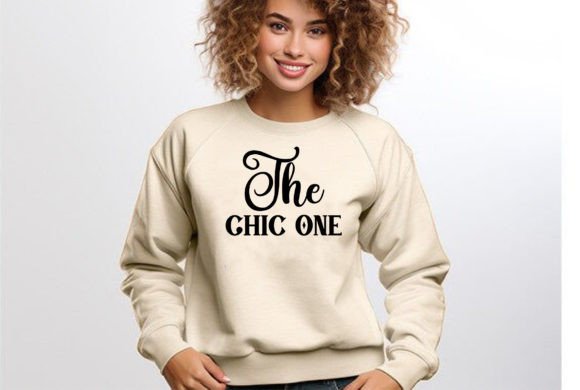
For digital product sellers and creative entrepreneurs who offer printable mockups or design assets, The Chic One also works well as a visual element in product photography. Its clean shape photographs nicely and does not require elaborate staging to look appealing.
Practical Designer Notes Before You Stitch
Before you load The Chic One into your embroidery machine and start a production run, here are a few practical recommendations based on my experience:
- Test on scrap fabric first. Always stitch a sample on fabric similar to your final product. This lets you check the tension, thread color, and overall appearance before you commit to a customer order.
- Check thread color contrast. The design looks best when the thread stands out from the fabric. For dark fabrics, use light or metallic thread. For light fabrics, try a deep jewel tone or a soft neutral.
- Review stitch density. While the design is well balanced, you should still inspect the density in your embroidery software. If you plan to use it on very lightweight fabric, consider reducing the density slightly.
- Confirm hoop size. The Chic One fits comfortably in most standard hoops, but always verify the dimensions in your software before starting.
- Inspect small details. Zoom in on any thin lines or tiny lettering elements. If they appear too narrow, they may not stitch cleanly at full size.
- Test in black and white mockups. This helps you see the design's shape and balance without the distraction of color. If it looks good in monochrome, it will likely look great in color.
- Compare light and dark fabric backgrounds. The same thread color can look very different on a white shirt versus a navy one. Test both to ensure the design maintains its visual impact.
- Use proper stabilizer. For most applications, a medium-weight cutaway stabilizer works well. For stretchy or thin fabrics, you may need a tear-away or wash-away stabilizer instead.
- Check licensing before selling finished items. The description for The Chic One indicates it can be used for many purposes including monogram making. However, if you plan to sell finished products or include the file in a digital product bundle, confirm the license terms directly with the designer.
- Test on a finished product mockup. Before you stitch a bulk order, create a printable mockup or use design assets to show the customer how the embroidery will look on their chosen item.
Is The Chic One Right for Your Craft Business?
If you run a craft business or sell through an Etsy shop, you need embroidery files that are reliable, visually appealing, and versatile. The Chic One fits that description well. It works for custom apparel, baby embroidery, holiday embroidery, and everyday personalized gifts. It also serves as a strong option for applique design projects if you prefer to combine fabric patches with stitching.
The design is suitable for both beginner and experienced embroiderers. It does not require advanced hooping skills or specialized stabilizers to look good. At the same time, it offers enough visual interest to satisfy customers who are looking for something beyond basic lettering.
From a small shop product perspective, The Chic One gives you a design that you can use across multiple product lines without feeling repetitive. You can stitch it on a t-shirt for one customer, a tote bag for another, and a pillow cover for a home decor order. The consistency of the design helps build brand recognition and makes your finished products feel cohesive.
Final Thoughts on The Chic One for Embroidery
After spending time with The Chic One in real stitching conditions, I can recommend it as a solid addition to any embroidery designer's library. It is not a flashy, trend-driven design that will feel dated in six months. It has a classic sensibility that works well for both personal projects and commercial use. The file is cleanly digitized, the stitch paths are logical, and the final result looks professional.
As with any machine embroidery design, the quality of your finished product will depend on your fabric choice, stabilizer, and machine settings. But The Chic One gives you a strong foundation to work from. If you are looking for a design that balances elegance with practicality, this one is worth trying.
Whether you are creating handmade products for a craft fair, stitching personalized gifts for clients, or building a line of custom apparel for your small business, The Chic One offers the kind of dependable performance that keeps customers coming back. Test it on a sample project, and see how it works for you.