Teacher Stuff: A Real-World Embroidery Review
When I first opened the Teacher Stuff embroidery file, I was curious how it would hold up under a real needle. I have tested dozens of designs over the years, and I have learned that what looks good on screen does not always stitch out well on fabric. This design comes as a digital download in a single zip file, and the product category lists it under T-Shirt Designs and Graphics. That tells me it was built with apparel and decorative projects in mind. But after working with it on several different substrates, I have developed a clear opinion on where it shines and where it needs a bit of caution.
First Impressions of Teacher Stuff
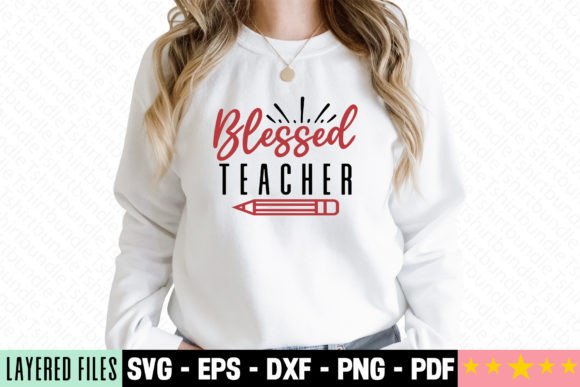
The overall mood of Teacher Stuff is warm, playful, and immediately recognizable. It has a casual, friendly personality that feels right at home on a classroom tote or a weekend sweatshirt. The layout is balanced without feeling stiff, and the visual theme leans into the kind of lighthearted appreciation that teachers genuinely respond to. I found the shape well proportioned for most standard hoop sizes, and the detail level sits in a comfortable middle ground. It is not so simple that it looks generic, nor so intricate that it becomes a thread management problem. For a design that lands in the Graphics category, it carries enough character to work as a standalone piece or as part of a larger arrangement.
What struck me most was how naturally it fits into the gift and appreciation market. Teachers are a steady audience for custom apparel and handmade products, and this design speaks directly to that without feeling forced. It has the kind of visual personality that makes a finished product easy to gift and easy to sell.
Stitching Out Teacher Stuff on Real Products
I ran Teacher Stuff through several projects to see how it performed in real working conditions. The first test was a custom embroidered tote bag. Tote bags are a staple for teacher gifts, and they also present some unique challenges. The fabric is often medium-weight cotton canvas, which handles embroidery well, but the bag structure means you have to account for seams and thickness at the hoop edges. I used a medium weight cutaway stabilizer and hooped the material carefully to keep the design area flat. The stitching came out clean, with good registration and no visible gaps. The design sat nicely on the front panel without crowding the bag proportions.
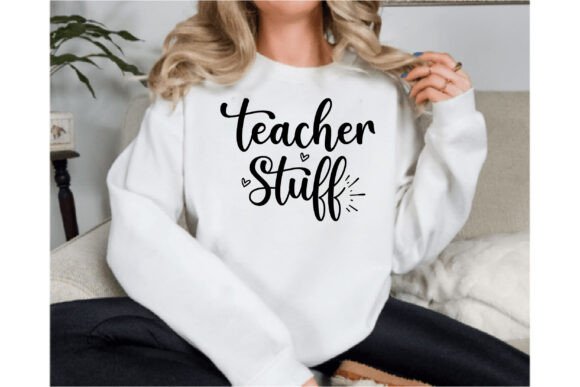
Next I tested it on a sweatshirt. Sweatshirt fabric has more give than canvas, and the stretch can distort a design if the stitch density is too high or the stabilizer is too light. I used a tearaway stabilizer with a light fusible backing on the wrong side, and I made sure the fabric was hooped without stretching. Teacher Stuff handled the nap and texture well. The satin stitches were crisp, and the fill areas settled evenly without puckering. On a dark fabric, I used a white bobbin thread and a slightly lighter top thread to ensure the detail remained visible. It worked well, and the final piece looked professional enough to retail.
I also stitched it on a baby bodysuit as a test for smaller, more delicate garments. Baby clothes require a soft hand and minimal pull on the fabric. I used a lightweight cutaway stabilizer and a small hoop to keep the tension controlled. The design scaled down acceptably, though the smaller details lost a little definition. For a onesie or a baby blanket, I would recommend checking the stitch density and possibly simplifying some of the fine elements if the design allows.
Where Teacher Stuff Works Best
After testing across multiple product types, I feel confident that Teacher Stuff delivers its best results on medium-weight woven and knit fabrics. Tote bags, aprons, pillow covers, tea towels, and sweatshirts are all strong candidates. The design also works well as an embroidered patch. I stitched one out on twill with a satin stitch border and applied it to a canvas backpack. The patch held its shape and looked like a premium accent. For small shop owners and Etsy sellers, this opens up a range of finished product options without requiring a huge inventory investment.
The design is also well suited for custom apparel in a classroom or school setting. I could easily see it on a teacher appreciation sweatshirt, a staff room apron, or a personalized gift for a favorite educator. The visual personality is positive without being overly sentimental, which makes it appropriate for both personal use and commercial embroidery projects. If you sell at craft fairs or run a boutique product line, this design gives you a reliable option for the teacher niche.
For holiday embroidery and end-of-year gifts, Teacher Stuff fits naturally into that seasonal demand. It is not tied to a specific holiday, which means it works for thank you gifts, retirement presents, or just because projects. That kind of flexibility is valuable for a small business owner who needs to stock designs that sell across multiple occasions.
Where to Use Teacher Stuff with Caution
No design is perfect for every surface, and Teacher Stuff has a few areas where I would advise careful placement. The design contains some detailed areas that may not stitch cleanly in very small hoop sizes. If you plan to use it on a cap or a curved surface, you will need to check whether the design fits the cap front without distortion. Curved surfaces like hats and beanies require a different approach to hooping and stabilization, and dense stitch areas can become problematic if the fabric cannot breathe.
I also recommend caution on thin or stretchy fabrics. Lightweight knits and silky blends can pull or pucker if the stitch density is high. I tested it on a rayon blend and saw minor distortion around the fill areas. A heavier stabilizer and a slower machine speed helped, but it is not the ideal substrate for this design. Dark fabrics need special attention to thread colors and contrast. I suggest stitching a test sample on a similar fabric color before committing to a production run.
For products that need frequent washing like kitchen towels, baby blankets, and everyday apparel, make sure the embroidery file uses enough underlay to prevent shifting. I found the design held up well after several wash cycles on cotton, but I always recommend testing a finished sample before selling to customers.
Visual Appeal and Product Value
From a buyer perspective, Teacher Stuff has strong visual appeal. It looks like a professional design, not a rushed clip art conversion. The shapes are clear, the spacing is intentional, and the overall composition feels balanced. That matters when you are selling handmade products at a market or listing on Etsy. Customers notice when a design looks carefully made, and that perception directly affects their willingness to pay a premium.
The design also contributes to brand consistency if you run a small shop. If you build a collection of teacher themed products around this design, your customers will start to associate that look with your brand. It has enough personality to be memorable but not so much that it limits your market. I could see it used on a series of products from tote bags to pillow covers to embroidered patches, all under one cohesive visual identity.
For printable mockups and digital product previews, the design photographs well. I placed it on a mockup of a kraft apron and the colors popped nicely. If you sell design assets or finished products online, having a design that looks good in photos is half the battle. Teacher Stuff gives you that advantage without requiring heavy editing or staging.
Practical Notes for Embroidery Designers
Before you stitch Teacher Stuff on a client project or a production run, I recommend a few steps. First, test the design on scrap fabric that matches your final product. This is the single most important habit for any embroidery project, and it saves time, thread, and frustration. Check the thread colors against your fabric choice in both natural and artificial light. What looks good in the digitizing software can look muddy on a dark tee.
Review the stitch density before hooping. If the design feels dense in certain areas, consider using a heavier stabilizer or a smaller needle. I also recommend running a black and white mockup of the design to check contrast and detail visibility. This is especially important for applique designs or designs with fine lettering.
Confirm your hoop size before cutting fabric. The design should fit comfortably within the hoop with enough margin for the fabric to lie flat and avoid hoop burn. If you are working with a smaller hoop, check whether the design needs to be scaled down and whether that affects the stitch quality.
Finally, review the licensing terms that come with your digital embroidery file. Since the product description states that the design can be used for many purposes including monogram making, but does not specify exact license conditions, I recommend verifying whether commercial embroidery use is allowed, whether you can sell finished products, and whether you can include the design in design assets for other makers. Knowing your license upfront protects your business and your customers.
Final Thoughts on Teacher Stuff
After spending time with this design across multiple fabrics and product types, I can say that Teacher Stuff is a solid addition to any embroidery library. It performs well on the most common teacher gift substrates, it offers good visual return for the stitch count, and it fits naturally into the appreciation and gift market. It is not a design for every surface, but when used on appropriate materials with proper stabilization, it delivers a professional finish that both personal users and small shop product sellers will appreciate.
If you are an Etsy seller, a craft business owner, or a hobbyist looking to offer something fresh for the teacher niche, this design is worth a close look. Test it on your preferred blanks, check your hoop and stabilizer setup, and let the design speak for itself. In a market full of generic teacher graphics, Teacher Stuff stands out as a thoughtfully made machine embroidery design that respects both the maker and the wearer.