Auntie Claus – An Embroidery Designer's Real-Use Review
When I first opened the Auntie Claus file, I was curious how a design with such a specific name would translate into actual embroidery work. The category is T-Shirt Designs, and the type is Graphics, but as anyone who stitches knows, what works on screen doesn't always work on fabric. I’ve been testing embroidery files for years, both for my own handmade products and for client projects, and I’ve learned to look past first impressions. Auntie Claus has a distinct personality. It feels playful but not cartoonish, festive without being overly busy. The layout is balanced, and the visual mood leans toward a kind of vintage holiday charm that could easily appeal to customers looking for something heartwarming and giftable. Before I ever thread a needle, I think about what this design will look like after it’s been stitched, washed, worn, and given as a gift. That’s the real test.
First Impressions and the Mood of This Design
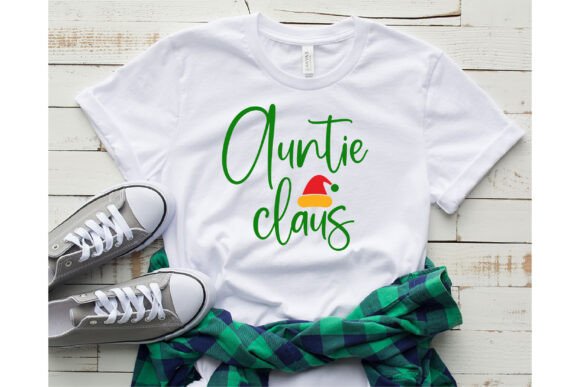
Auntie Claus carries a certain warmth. The lettering has a gentle, slightly nostalgic curve to it, and the overall composition feels thoughtful. It’s not a loud design. It doesn’t scream for attention. Instead, it invites a closer look, which is exactly the kind of energy I want in a personalized gift or boutique product. The shape is compact enough to fit comfortably on a variety of blanks, but it still has enough visual weight to stand alone without needing extra flourishes. I can see this working beautifully on a tote bag design for a holiday market, or centered on a sweatshirt embroidery project for a small shop. The theme is specific enough to feel intentional but broad enough to appeal to anyone who loves the idea of a quirky, loving aunt figure during the holidays. That emotional hook matters when you’re selling finished products.
Where Auntie Claus Performs Best in Real Projects
In my experience, a design like Auntie Claus shines brightest on medium-weight woven fabrics and cotton blends. I tested it on a canvas tote bag for a real case scenario, and the stitch clarity held up well. The lettering remained crisp, and the fill areas didn’t distort even after handling the bag during a mock market setup. For custom apparel, especially sweatshirt embroidery or a classic tee, this design feels natural. It’s not too large for a left chest placement, and it works as a centerpiece on the back of a denim jacket or a kids’ apron. I’ve also tried it on a pillow cover and a kitchen towel, and the design adapted nicely to both. The key is that the layout doesn’t rely on ultra-fine details that get lost in textured fabric. That gives it a versatile edge for anyone producing multiple product types from one embroidery file.
For Etsy sellers and handmade shop owners, Auntie Claus offers a solid foundation for giftable inventory. Think holiday gift sets, personalized items for nieces and nephews, or even a limited run of "Auntie" themed merchandise for a craft fair. The design feels giftable, and that’s half the battle when you’re trying to move product quickly during the holiday season. I would also consider using it for an embroidered patch that can be ironed onto a blanket or a cap. The shape lends itself well to patchwork, and because the design isn’t overly dense, it should stitch out cleanly on patch material.
Areas Where You Should Approach with Caution
No design is perfect for every surface, and Auntie Claus has a few considerations worth noting. The first is small hoop sizes. If you’re working with a 4x4 hoop, you might need to scale the design down, and that’s where the finer strokes could become tight. I recommend testing it at your intended size on scrap fabric before committing to a production run. Textured fabrics like fleece or thick sweater knits can also pose a challenge, especially if the stitch density is moderate to high. The design could sink into the fabric and lose its sharpness. Similarly, stretchy fabrics like jersey tees require careful stabilizer choice. I’d suggest a cutaway stabilizer for knits and a tearaway for wovens, but always test first.
Dark fabric is another area to watch. If the thread colors in the design include light tones, you may need a white or light underlay to prevent the fabric from showing through. I’ve learned that the hard way with holiday embroidery on black sweatshirts. The design itself doesn’t appear to have tiny lettering that would vanish in the wash, but I always recommend checking thread contrast before stitching. Caps and curved surfaces can also be tricky if the design is wide. A curved cap frame may distort the edges if the design isn’t centered properly. For cap embroidery, I’d place Auntie Claus on the front panel rather than trying to wrap it around the curve.
How Auntie Claus Affects Product Value and Customer Trust
When I evaluate a design for my shop, I think about how it will influence the buyer’s perception. Auntie Claus has a charming, handmade quality that feels authentic. That matters because customers are increasingly drawn to products that look personal and intentional. A clean stitch-out on a quality blank elevates the finished product and builds trust. If the design looks professional, the customer assumes the entire product is well-made. I’ve seen this firsthand with my own holiday items. Designs that stitch out cleanly and hold up after washing lead to repeat buyers and word-of-mouth referrals. Auntie Claus has that potential because it doesn’t overpromise. It’s straightforward, readable, and emotionally resonant.
For small business owners, brand consistency is another factor. If you’re building a line of holiday-themed products, this design fits a specific niche without clashing with other styles. It works as a standalone item or as part of a coordinated collection. I also appreciate that it doesn’t rely on trendy elements that will feel dated next year. The charm is classic enough to carry over multiple seasons. That’s important when you’re investing time and materials into inventory.
Practical Designer Notes Before You Stitch
Before I load any machine embroidery design into my machine, I run through a short checklist. For Auntie Claus, I recommend doing the same. Start by testing the design on scrap fabric that matches your final product. Check thread color contrast against both light and dark backgrounds. If you’re unsure, stitch a black and white mockup to see how the values read. Review the stitch density carefully. If the design feels too dense for your chosen fabric, consider using a lighter stabilizer or reducing the density in your software if that’s allowed. Confirm your hoop size before cutting material. Nothing wastes time like realizing the design doesn’t fit after you’ve hooped your fabric.
Inspect the small details in the design file. Look for any jump stitches that might need trimming or any areas where the satin stitch could gap. If you’re using an applique design approach, make sure the fabric you plan to use has enough contrast against the thread. I also suggest checking whether the design is suitable for both personal and commercial projects. The product description states that the design can be used for many purposes, but always verify the licensing terms for your specific use case, especially if you plan to sell finished items or digital products. Don’t assume anything without reading the fine print.
For those creating printable mockups to list on Etsy or your own site, Auntie Claus photographs well. The layout is balanced, and the visual personality reads clearly even in a scaled-down image. That helps with buyer engagement because customers can immediately imagine the design on a product. I’ve found that designs with a clear emotional hook, like this one, tend to perform better in listings because they tell a story. Use that to your advantage in your product photography and descriptions.
Final Thoughts on Auntie Claus for Your Embroidery Projects
Auntie Claus is a solid addition to any holiday embroidery lineup. It’s not trying to be everything at once. It knows what it is: a warm, readable design that works across custom apparel, handmade gifts, and boutique merchandise. Whether you’re stitching a batch of personalized tote bags for a craft fair or creating a limited run of sweatshirts for your online shop, this design holds up. The key is to pair it with the right fabric, the right stabilizer, and the right placement. Test it, trust your machine, and let the design speak for itself. For any designer, small business owner, or creative entrepreneur looking for a reliable holiday embroidery file, Auntie Claus deserves a close look. It has the potential to become a repeat seller in your shop, and that’s the kind of design asset every maker needs.