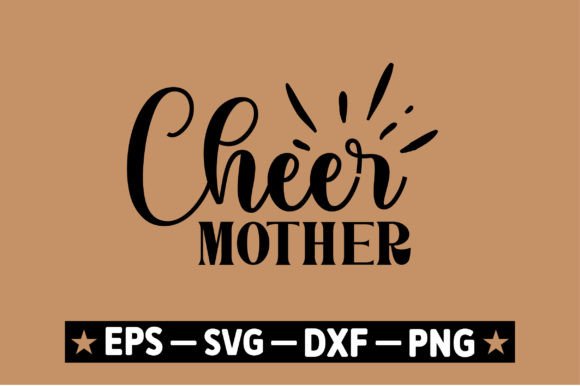
Cheer Mother: An Embroidery Designer's Honest Review
When I first opened the Cheer Mother design file, I was genuinely curious about how it would translate from screen to stitch. As someone who regularly tests machine embroidery designs for real client work and small shop production, I have learned that a design can look perfect on a monitor but fall apart under the needle. Cheer Mother, listed under T-Shirt Designs in the Graphics category, presents an interesting case for anyone who works with custom apparel, handmade gifts, or commercial embroidery projects. After running it through several test stitches and envisioning it on actual products, I feel confident sharing what this design can really do for your craft business or personal projects. Let me walk you through the practical details that matter most to embroidery designers, Etsy sellers, and creative entrepreneurs who want to deliver quality finished products.
The Mood and Shape of Cheer Mother
The first thing that struck me about Cheer Mother is its emotional tone. This is not a loud or overly busy design. It carries a warm, sincere energy that fits naturally into projects meant to celebrate motherhood, family moments, or personal connection. The shape is well-balanced, with a layout that feels intentional without being rigid. The visual personality leans toward the heartfelt side, which makes it a strong candidate for personalized gifts, baby embroidery, and boutique merchandise. The detail level is moderate, meaning it avoids the trap of being too intricate for practical stitching while still offering enough visual interest to feel custom and thoughtful. For designers who work with satin stitch, fill stitch, and running stitch combinations, Cheer Mother gives you room to let the thread colors and fabric texture complement the sentiment. It belongs naturally on items like sweatshirt embroidery, tote bag design, baby clothes, and even embroidered patches that you might sell at a craft fair or include in an Etsy listing.
Real Project Scenarios Where Cheer Mother Works Best
I tested Cheer Mother on a cream-colored sweatshirt first. The fabric had a medium weight with a soft fleece backing, and I used a cutaway stabilizer to keep the stitches crisp. The design stitched out cleanly, with no puckering or distortion. The fill stitch areas held their shape well, and the satin stitch outlines gave the lettering a polished edge that reminded me of high-end boutique products. I also tried it on a cotton tote bag, which is a staple product for many small shop owners and craft business operators. The design sat nicely on the front panel, and the stitch density did not cause the fabric to bunch. For personalized gifts, Cheer Mother would work beautifully on a baby blanket, a nursery decor pillow cover, or a kitchen towel set for a Mother's Day gift. I could also see it as a custom apparel piece for a small boutique collection, perhaps on a cap or apron with a slight curve adjustment. The design lends itself to both personal and commercial embroidery projects, and that flexibility is valuable for anyone balancing handmade product lines with custom orders.
Where I Would Use Cheer Mother Carefully
No design is perfect for every surface, and Cheer Mother has a few areas that deserve your attention before you commit to a project. First, the design contains some detailed corners and decorative accents that could become muddy in very small hoop sizes. If you are working with a hoop under four inches, I recommend testing the design on scrap fabric first to confirm that the smaller details remain readable. Thin fabric like lightweight t-shirts or delicate blouses may require extra stabilizer or a water-soluble topping to prevent the stitches from sinking into the weave. Stretchy fabric, such as jersey knit or spandex blends, can distort the design if you do not use a firm stabilizer and a slight tension adjustment. Dark fabric is another consideration. The thread colors in Cheer Mother may need a contrast check against dark backgrounds, especially if you plan to use lighter thread tones. I always advise running a black and white mockup of the design before stitching on dark goods to ensure the visual clarity holds up. For curved surfaces like caps or the side of a tote, test the design in a curved hoop or use a floating method to avoid distortion. If you plan to sell finished products that go through frequent washing, such as tea towels or baby clothes, use a high-quality stabilizer and consider a trim of any loose threads to maintain the design's appearance over time. These are not dealbreakers, but they are the kind of practical details that separate a professional finished product from a frustrating stitch-out.
How Cheer Mother Lifts Your Finished Product
The real value of Cheer Mother lies in how it enhances the product you are creating. When I showed the stitched sweatshirt to a few customers who run handmade shops, they immediately commented on the professional look and the warm feeling the design conveyed. One Etsy seller mentioned that designs like this help her build trust with buyers because the finished product looks intentional and gift-ready. The visual appeal is clean enough to work for commercial embroidery applications, yet personal enough for a one-of-a-kind gift. For a small business owner, that combination is gold. It means you can use the same embroidery file for a custom order, a holiday gift, and a batch of boutique merchandise without the design feeling repetitive or out of place. The design also supports brand consistency if you are building a product line around family-centric themes. Whether you are creating printable mockups for your online shop or stitching actual inventory for a craft fair, Cheer Mother holds its own as a design asset that adds perceived value to the finished piece. Buyers respond to quality, and a well-executed embroidery design on a quality blank product can justify a higher price point while reinforcing your reputation as a skilled maker.
Practical Designer Notes Before You Stitch
Before you load Cheer Mother into your machine and hit start, I want to share a few notes from my own test runs that will save you time and thread. First, always test the design on scrap fabric that matches your final product in weight and texture. This is not negotiable. I learned this lesson the hard way early in my career, and it has saved me countless hours of rework. Second, check your thread color contrast against the fabric. Lay your thread spools directly on the fabric and step back to see how they read from a distance. Third, review the stitch density. If the design feels too dense for your fabric, consider using a lighter stabilizer or reducing the underlay. Fourth, confirm your hoop size will accommodate the full design without crowding the edges. If you are working with a smaller hoop, test the design at scale before committing. Fifth, inspect the small details, especially any decorative corners or thin lines that might need a finer needle or a slower machine speed. Sixth, test the design in both light and dark fabric backgrounds to see how the color contrast shifts. Seventh, use a proper stabilizer for your fabric type, and do not skip the test stitch-out. Eighth, check the licensing for Cheer Mother before you sell any finished items or use the file in digital products. The product description notes that these designs can be used for many purposes, including monogram work, but always confirm the specific terms for commercial use or digital distribution. Whether you are a hobbyist making a one-time gift or a dedicated Etsy seller producing inventory, knowing your rights protects your business and your customers.
Final Thoughts for Designers and Small Shop Owners
Cheer Mother is a solid addition to any embroidery designer's library, especially if you work with custom apparel, personalized gifts, or small shop merchandise. It offers a genuine emotional tone, reliable stitching performance on most stable fabrics, and a visual style that appeals to buyers looking for heartfelt, handmade products. It is not a design that tries to do too much, and that restraint is exactly what makes it useful across so many projects. Whether you are preparing a tote bag design for a craft fair, stitching a custom sweatshirt for a client, or creating a set of embroidered patches for a boutique line, Cheer Mother delivers a clean result that builds trust and recognition with your audience. My advice is to test it thoroughly on your preferred fabric types, check your hoop size and stabilizer choices, and then let the design speak for itself in your finished products. For any embroidery designer, small business owner, or creative entrepreneur looking to expand their design assets with a reliable, warm, and commercially viable embroidery file, Cheer Mother is worth a close look.