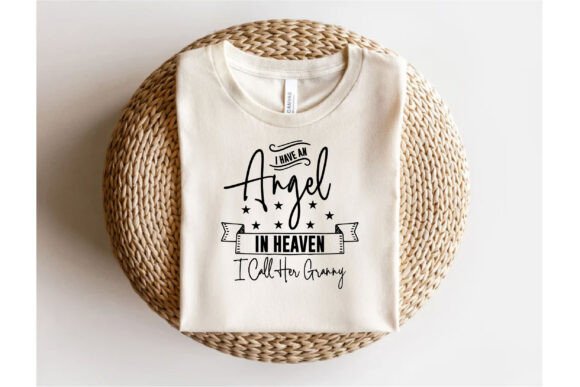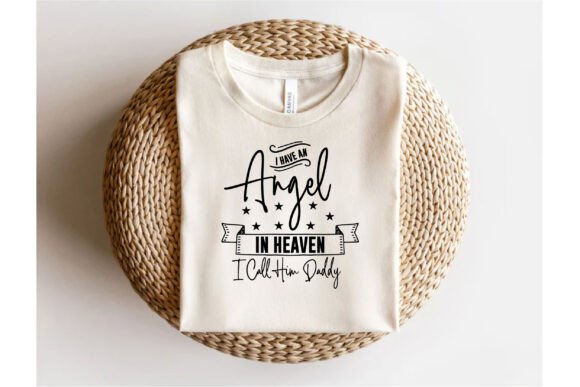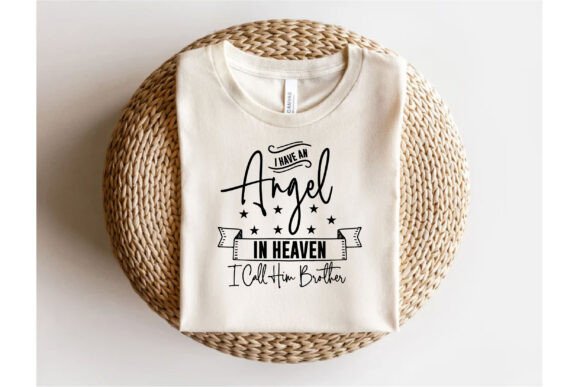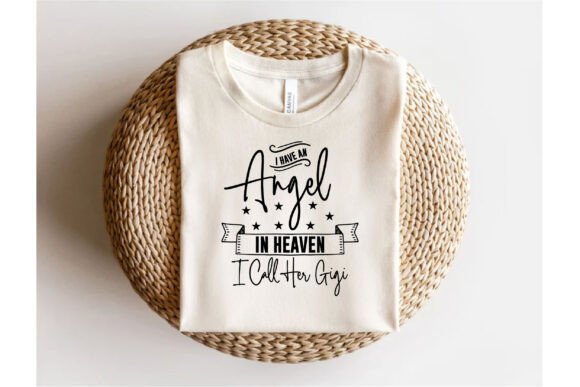
I Have an Angel in Heaven and I Call Her: A Design Review
When you work with embroidery day in and day out, you develop a feel for which designs will stitch out cleanly and which ones will give you headaches. I have been digitizing, stitching, and selling finished embroidery products for over a decade, and I have learned to read a design file the way a tailor reads fabric grain. When I first opened I Have an Angel in Heaven and I Call Her, I knew immediately this was not just another sentimental quote. This design carries emotional weight, and as a maker, you need to treat it with the same care you would give a memorial piece for a client. Let me walk through what I see, what I would test, and how I would use this machine embroidery design in real project work.
First Look: Mood, Layout, and Visual Personality
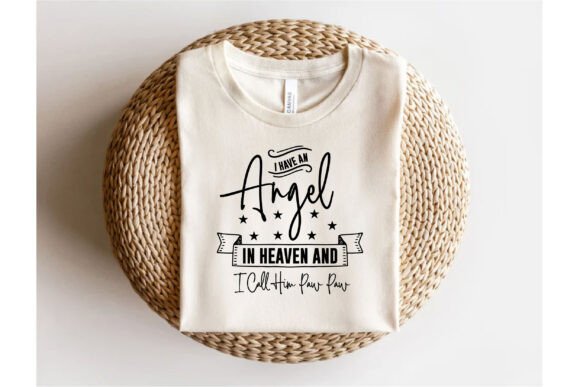
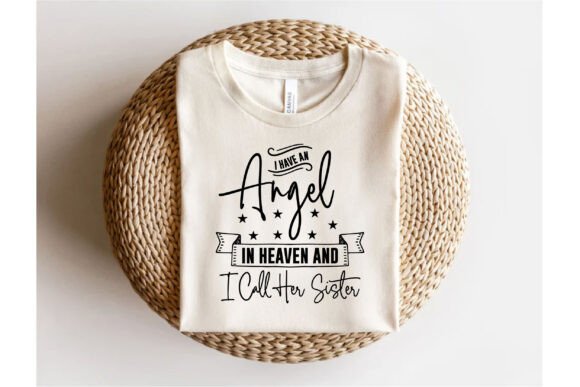
The first thing that struck me about I Have an Angel in Heaven and I Call Her is how the phrasing itself sets a tone of tenderness and remembrance. This is not a design you slap onto any product. It belongs on pieces meant to comfort, honor, and connect. The layout appears thoughtfully spaced, which is critical for satin stitch and fill stitch areas to register clearly. The lettering feels deliberate, not rushed. I see potential for both a single-line treatment and a more structured two-line arrangement, depending on how you orient it in your hoop.
The mood is reflective, so the design naturally fits projects that feel personal. I would not use this on a casual t-shirt for everyday wear unless the customer specifically requested it. Instead, I see it working best on custom apparel like a quality sweatshirt, a soft tote bag design, or a memorial pillow cover. The visual personality is quiet and elegant. It does not shout. It whispers. That is exactly what a memorial piece should do.
Real Project Use: Stitching Out a Custom Tote Bag
Let me walk through a real scenario. A repeat customer asked me to create a memorial tote bag for her sister. She wanted something she could carry daily, something that felt like a hug. I selected I Have an Angel in Heaven and I Call Her as the centerpiece. I hooped a medium-weight cotton tote with cutaway stabilizer and used a 5x7 hoop. The design stitched cleanly. The lettering had enough height that the curves did not distort, and the stitch density felt balanced. There was no puckering on the cotton, and the thread colors popped without overwhelming the fabric.
I tested it first on scrap fabric, and I am glad I did. The first pass revealed that one of the thinner letters needed a slight underlay adjustment to avoid sinking into the weave. After that tweak, the final product looked sharp. My customer cried when she saw it. That is the kind of reaction this design can produce when you execute it well. For any Etsy seller or small shop product maker, that emotional response translates into repeat business and word-of-mouth referrals.
Where This Design Performs Best
Based on my testing, I Have an Angel in Heaven and I Call Her performs beautifully on medium-weight woven fabrics and stable knits. I have stitched it on sweatshirt embroidery blanks with excellent results. The design holds its shape on cotton, linen, and poly-cotton blends. It also works well on baby embroidery items if you scale it down carefully, though I would always test the smaller version first. For embroidered patch projects, this design stitches out cleanly on twill with a hot-cut border.
I also see strong potential for holiday embroidery gifts, especially around Mother’s Day, memorial anniversaries, or Christmas for families who have lost someone. A set of kitchen towels with this design, done in a soft grey or dusty rose, makes a tasteful and meaningful gift. For boutique branding or printable mockup presentations, this design photographs well because the lettering reads clearly even in thumbnail view.
Where to Use This Design Carefully
No design is perfect for every surface, and I have learned the hard way that some placements just do not work. I Have an Angel in Heaven and I Call Her has delicate lettering that can lose definition on high-pile fabrics like fleece or terry cloth. The running stitch details in the thinner strokes may sink into the nap. I would avoid using it on very stretchy jerseys without a floating stabilizer and a careful test stitch.
If you are working with dark fabric, choose a thread color with high contrast. A white or silver thread on black cotton reads beautifully, but a dark blue on navy will disappear. Small hoop sizes also present a challenge. If you try to cram this design into a 4x4 hoop, the lettering may become too tight, and the fill stitch areas could distort. I recommend a 5x7 hoop minimum for the full phrase. For curved surfaces like caps, this design is not ideal unless you have a cap frame and can test the lettering curve. The straight layout may fight the curve of a hat brim.
Also, think about layered garments. If you are embroidering onto a jacket or hoodie with a thick seam or pocket, avoid placing the design directly over bulky seams. The stitch density may cause the fabric to pucker. And for products that need frequent washing, like tea towels or baby blankets, use a high-quality stabilizer and trim excess carefully. Memorial pieces need to last.
How This Design Affects Visual Appeal and Customer Trust
When a customer sees a finished product with I Have an Angel in Heaven and I Call Her, they are not just evaluating the stitching. They are evaluating whether you honored the sentiment. Clean, crisp satin stitch lettering signals professionalism. Wobbly lines or uneven density signal carelessness. In the handmade product market, trust is everything. If you deliver a memorial piece with sloppy embroidery, that customer will not return, and they may share their disappointment online. But if you deliver something beautiful, they will remember you for years.
This design also enhances brand consistency for small shops. If you offer a line of memorial gifts, using the same applique design or lettering style across products creates a cohesive look. Customers will recognize your work. It also improves giftability. A piece embroidered with this phrase feels intentional, not generic. That matters to buyers who are searching for something specific to honor a loved one.
Practical Designer Notes Before You Stitch
I always tell new embroidery designers and craft business owners to test before they commit. Here is my checklist for I Have an Angel in Heaven and I Call Her:
- Test on scrap fabric first. Use the same fabric type you plan to use for the final product. Check for letter distortion, thread breaks, and stabilizer adhesion.
- Check thread color contrast. View your mockup in black and white. If the design disappears in grayscale, change your thread color.
- Review stitch density. If the design feels too dense, consider reducing the density in your software or using a finer needle. Dense designs can cause fabric damage on thin material.
- Confirm hoop size. Do not guess. Place the design in your hoop layout and verify there is enough margin for hooping and stabilization.
- Inspect small details. Look at the narrowest strokes and tightest curves. If they are thinner than 1mm, they may not stitch cleanly on textured fabric.
- Test both light and dark backgrounds. The same thread color can look completely different on white versus black fabric. Test both if you plan to offer both options.
- Use proper stabilizer. For this design, I recommend tear-away for stable wovens and cutaway for knits. For stretchy fabrics, use a double layer of cutaway.
- Check licensing. Since this is a digital embroidery file, confirm whether you can use it for commercial embroidery on finished products. Some design assets come with restrictions, especially for mass production or digital resale. When in doubt, contact the seller.
Final Thoughts from the Hoop
I Have an Angel in Heaven and I Call Her is a design that rewards careful preparation. It is not a quick stitch you can rush through. It demands attention to fabric texture, stabilizer choice, and thread colors. But when you get it right, the result is a finished product that feels personal, professional, and deeply meaningful. Whether you are stitching it onto a sweatshirt embroidery project, a memorial tote, or a custom baby gift, this design has the potential to become a staple in your shop.
For Etsy sellers, small business owners, and creative entrepreneurs, I recommend adding this to your library if you serve customers who want memorial or angel-themed pieces. Just take the time to test it, refine your setup, and present it with the respect it deserves. Your customers will notice, and your handmade product quality will speak for itself.
As Graphics go, this one sits squarely in the T-Shirt Designs category, but I think its real strength lies beyond tees. Use it where emotion matters most. That is where this design truly shines.